
“Although culture and tradition is important, we cannot be merely confined to one single system. Culture is something inherent in the blood cells of every Chinese designer.
When it comes to product design, I would design the products according to the modern way of living, because all of these products will be eventually serving our lives in the presence.” —— Wei Ma
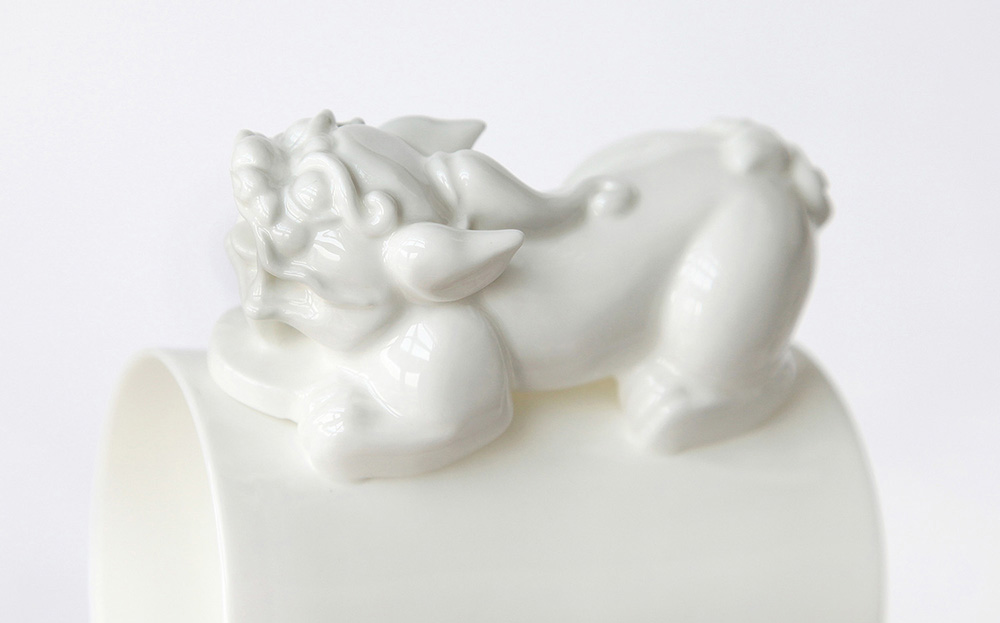
The CHU series (meaning touch) is exploring the relationship between people and product from varies angles including the happening, the process and the results.
Touching is a very important sensory feeling in the evolution of both human and animals. Touching is one of the most direct means for animal to position and perceive the world.
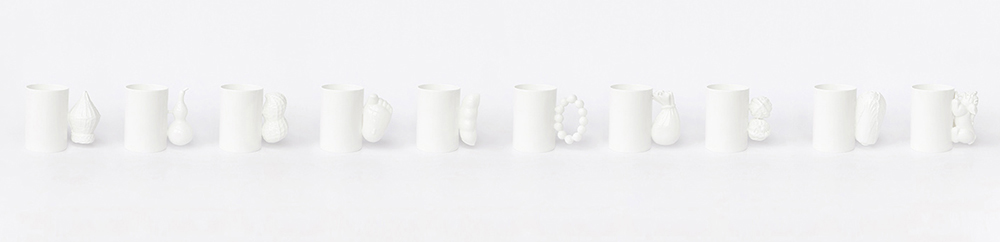
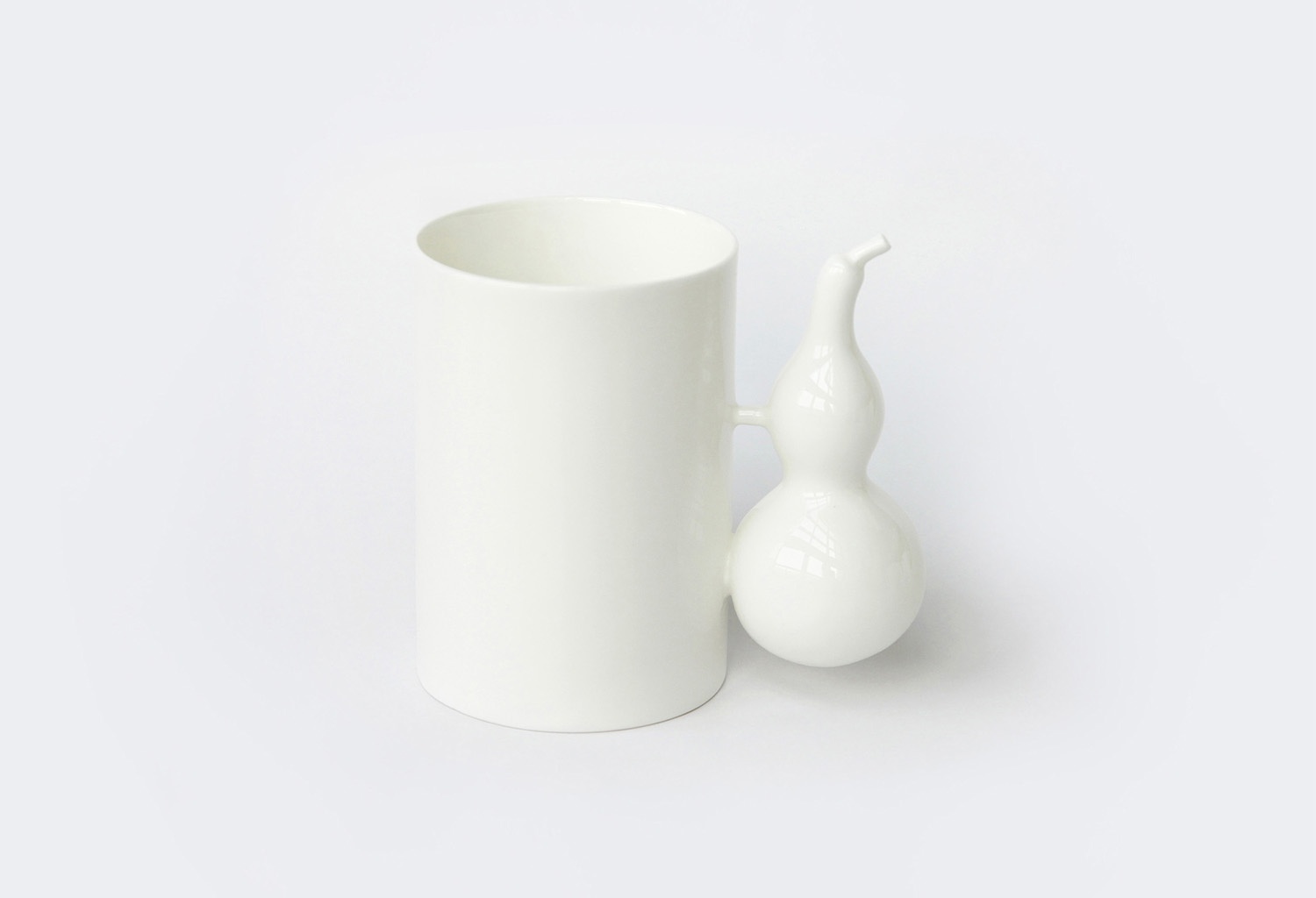
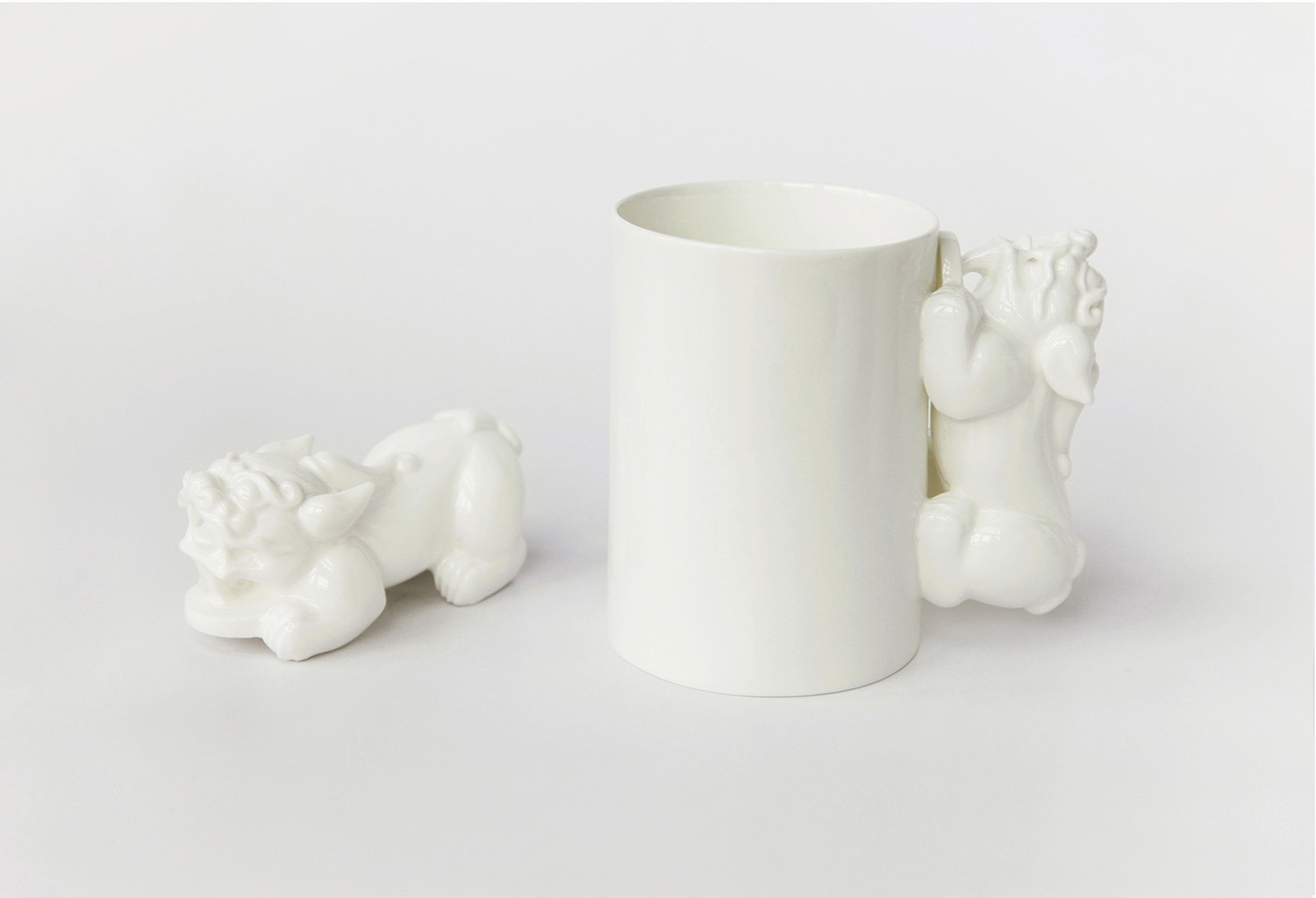
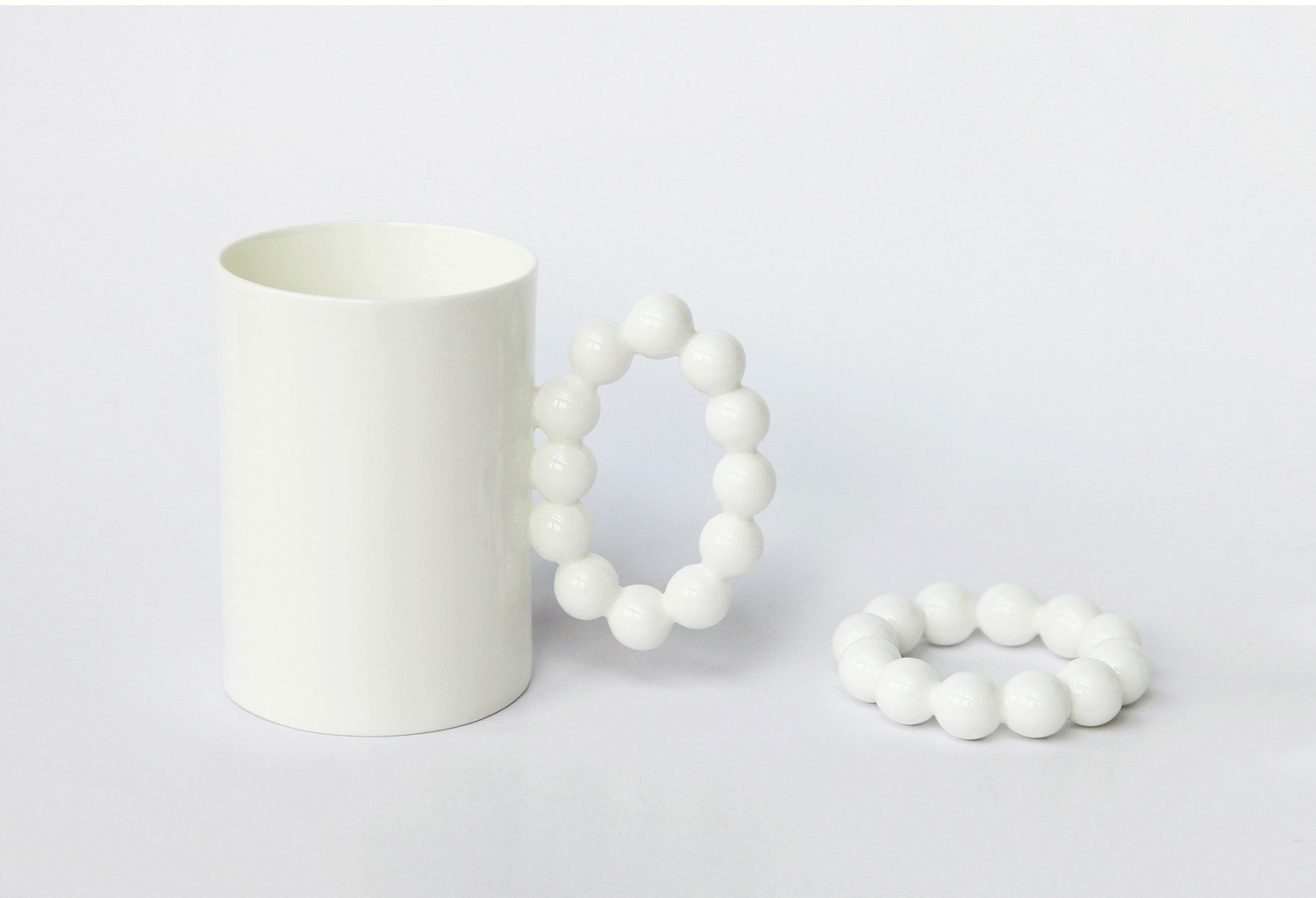
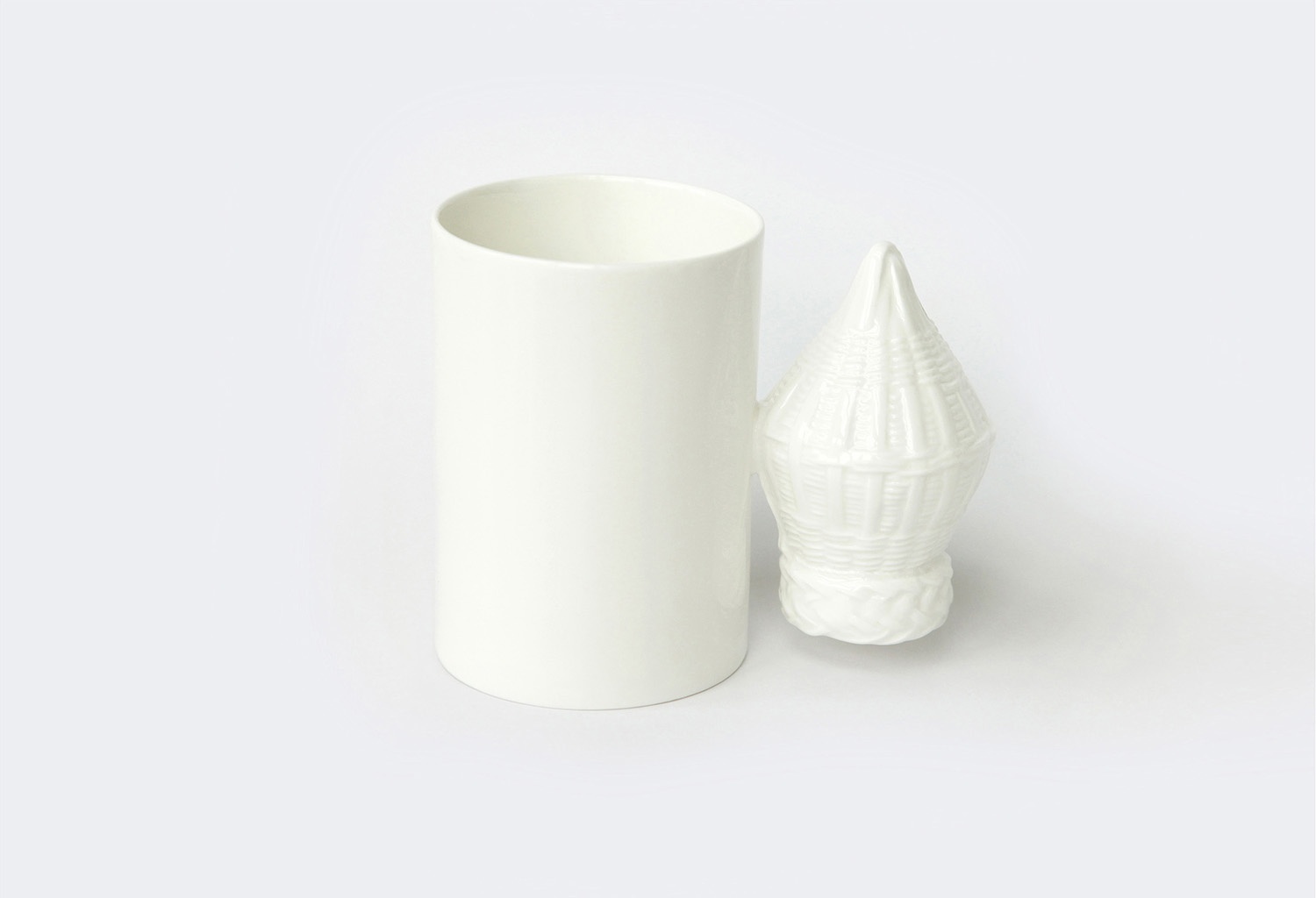
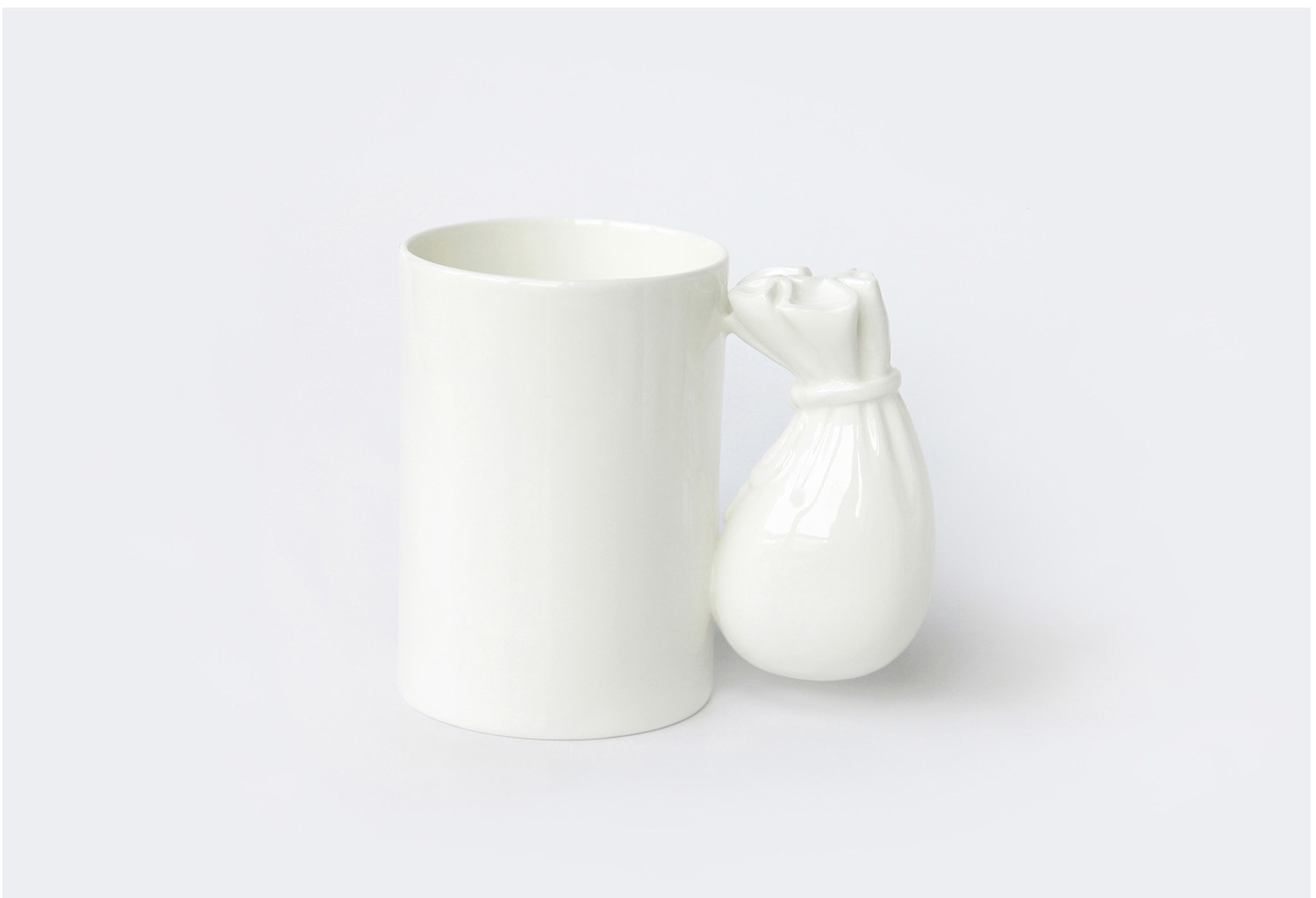
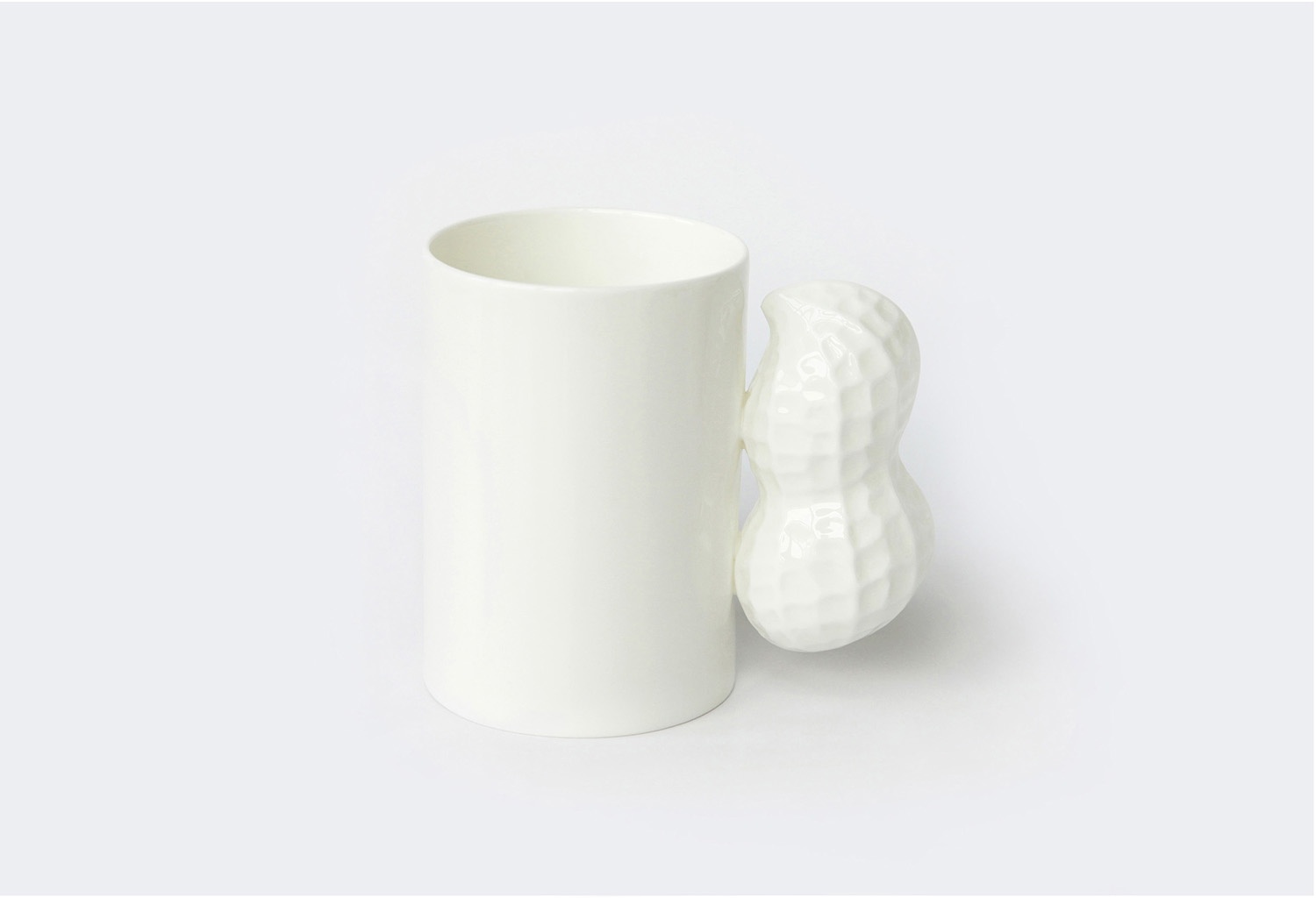
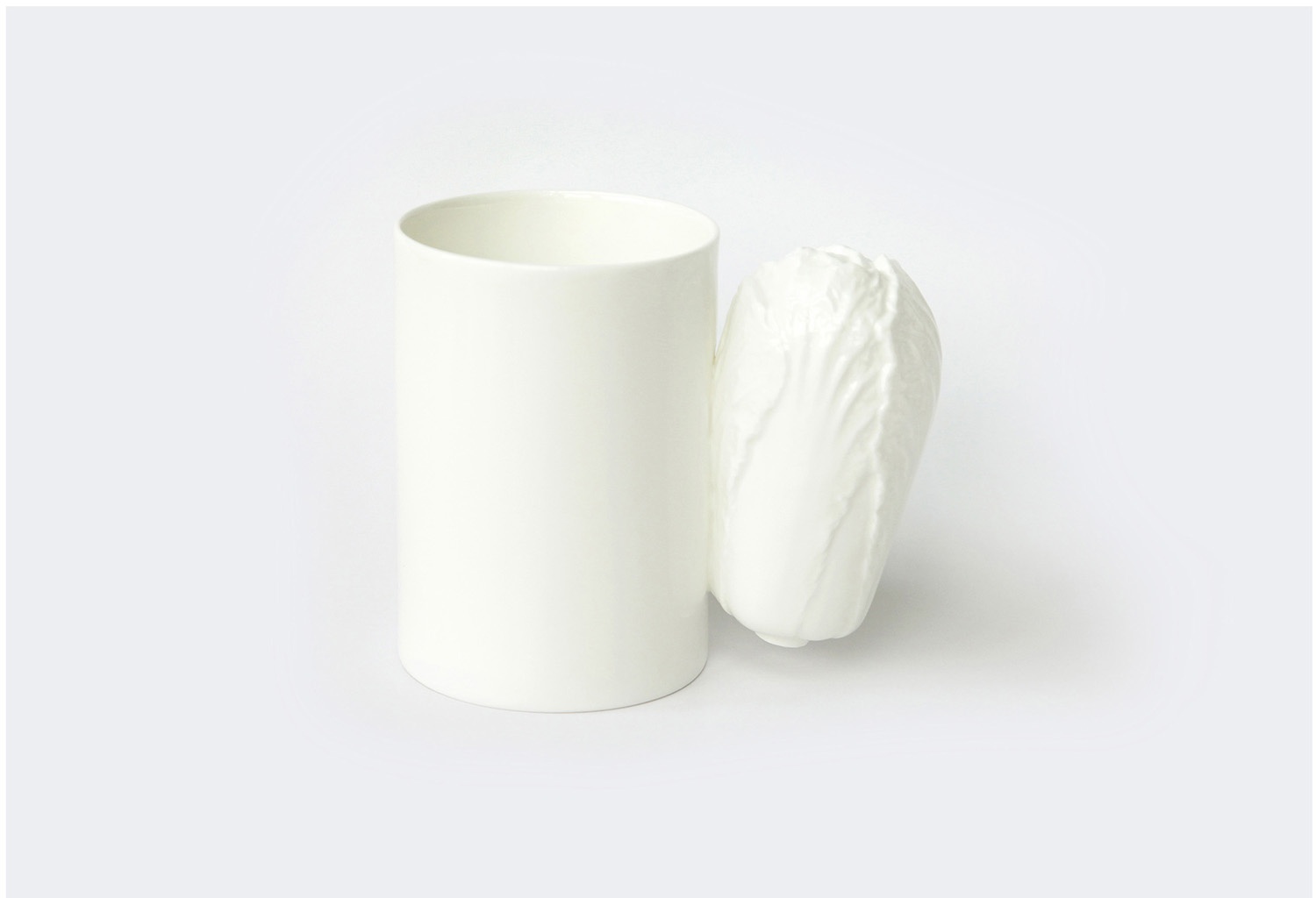
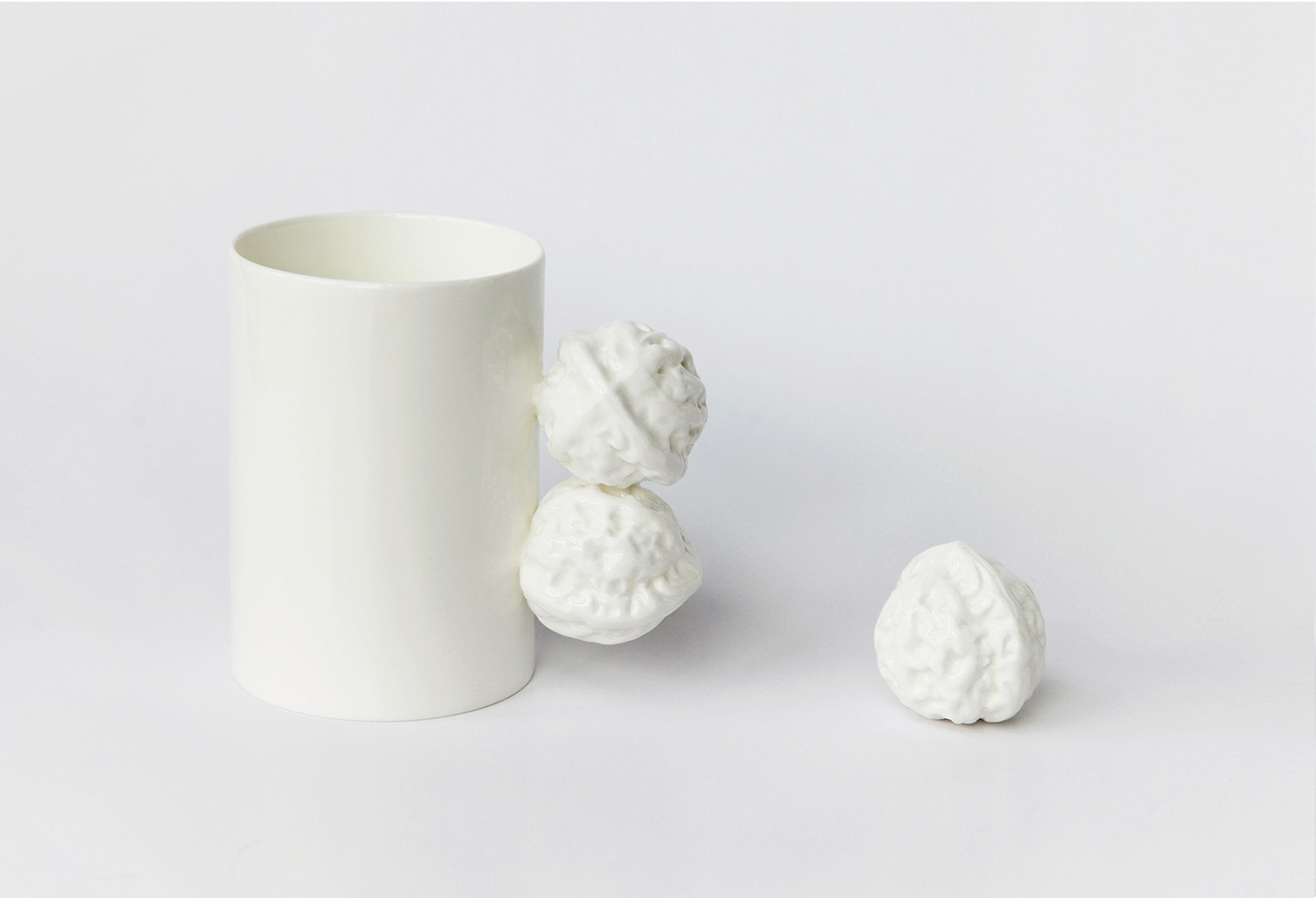
In order to break the decorative constraints of traditional jewelries, and to create a functionality closer to product designs rather than decorative arts, CHU turns the auspicious traditional accessories into the cup handles, by hand carving, plastic approaching, and combining with bone porcelain crafting methodology.
“First I sculptured with gypsum or clay, repair embryo, moulding, stripping, and then kilning several times to the final product, the entire process was accomplished independently."
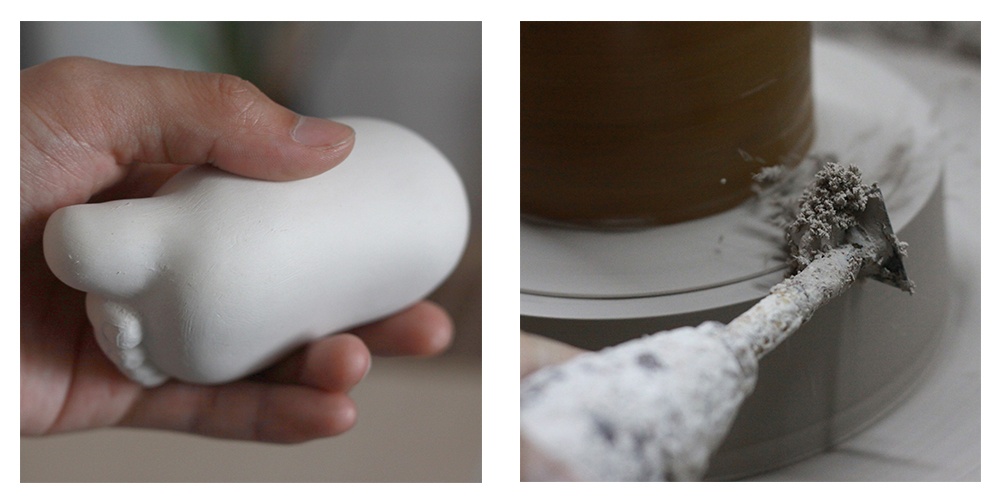
Process 1: Sculpturing the shape.
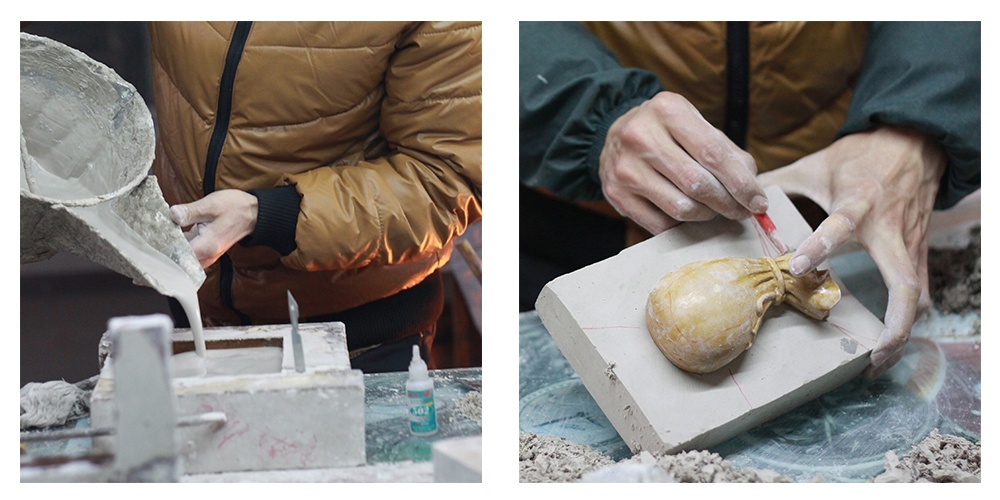
Process 2: Moulding.
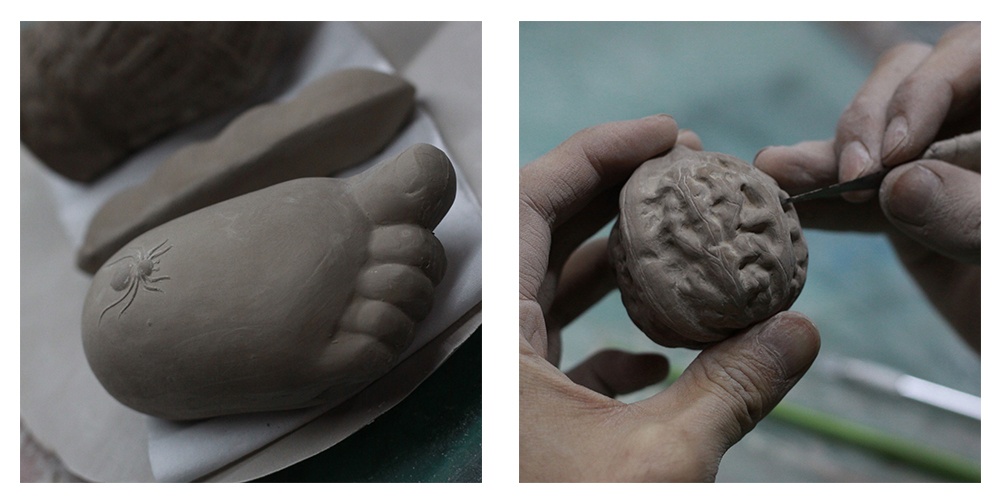
Process 3: Modifying the embryo.
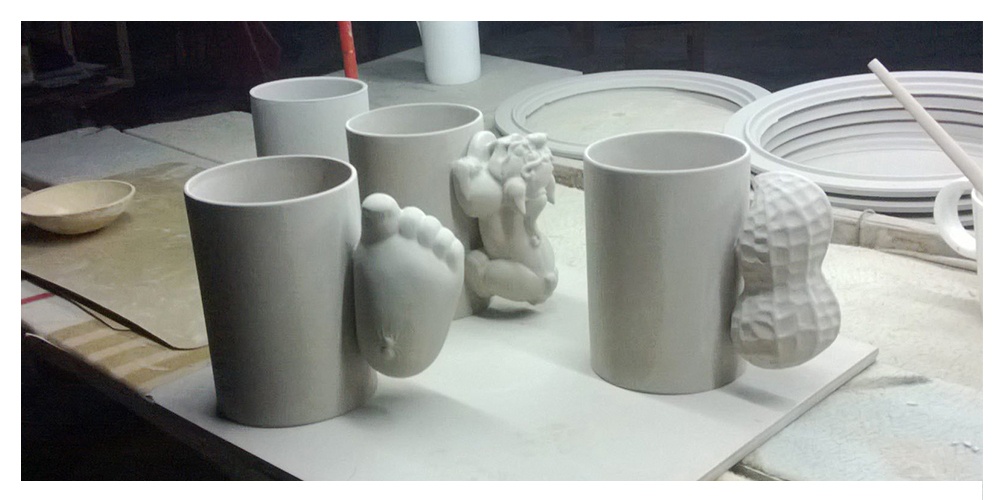
Process 4: Making into one piece.
The contact focused on the embodiment of a relationship rather than the cup itself. I chose a cup as the carrier of this relationship because it is the most frequently used daily product. The simple cylindrical shape together with pure material will highlight the point of touch happening.
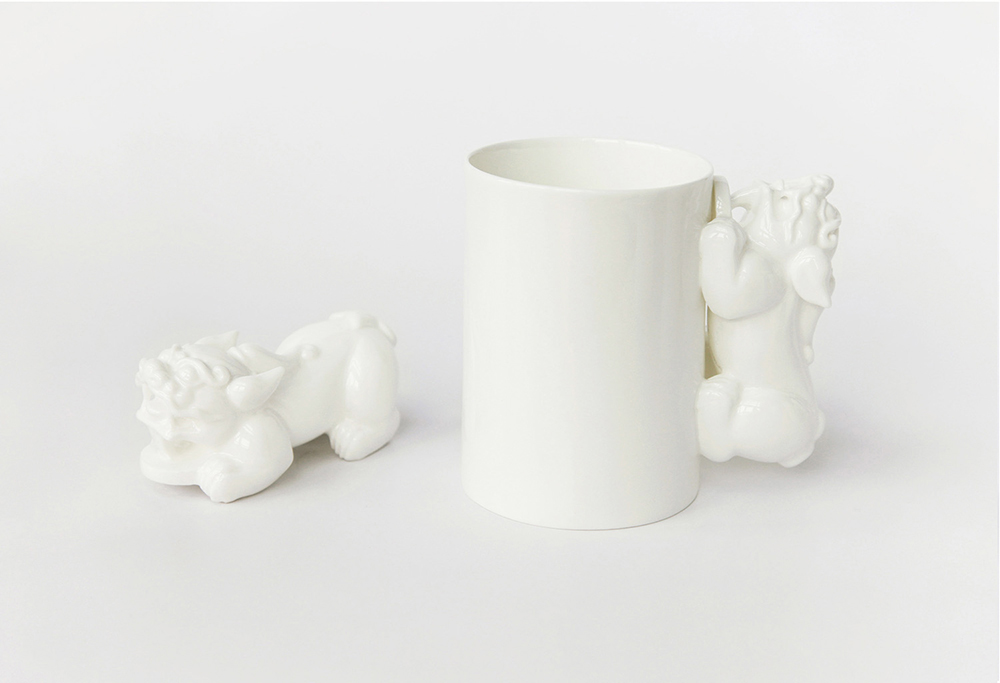
“The relationship between people and product shall last long.” said Wei Ma.
Chinese people have a habit of playing antiques in hands such as jade or wooden accessories. In a few years or even decades of caress, objects had a natural discoloration, their layers forming a beautiful pulp. People who spend a lot of time with their products, will form a specific emotional connection with them.
The shapes of the handle each has a symbolic meaning. On a spiritual level, these playthings emphasized the kind of love revealed by their owners. Walnut (meaning longevity), wild animal (meaning lucky), feet and spider (stands for contentment), gourd (homophonic meaning rich and happy), etc.
Ma designed these objects to question himself and others, by asking whether our lives need so many products? Since ancient times, oriental people cherish the objects around them under a poetic meaning.
However, within the current society, the emotional connection between a man and an objects is increasingly sparse. Consumers face the messy choices at a loss.
Thus, to regain the original intention of the design, Wei hope that the relationship between people and products must be sustained, elegant, and simple, or viewing from the perspective of environmental protection, it should be a long term relationship both under a material level and a spiritual level.
Image: Wei Ma


Copyright @ 2019 China Design Centre Ltd. Privacy policy | Disclaimer

1 / 31
show thumbnailsnext picture previous picture start slideshow close lightbox